
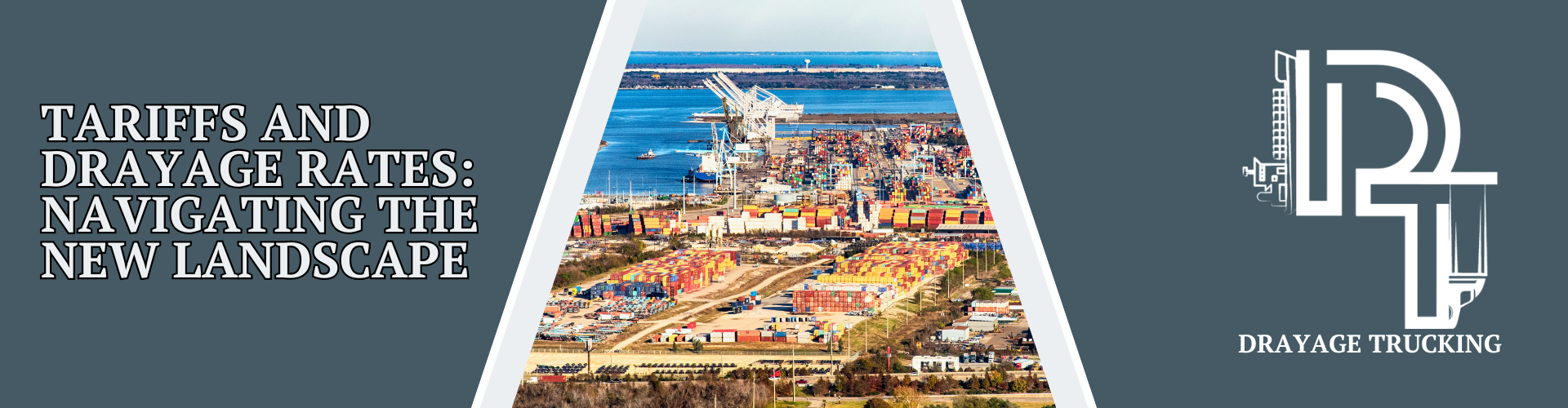
Introduction: How Tariffs Shape Drayage Rates and Global Logistics
When global superpowers like the U.S. and China adjust their trade policies, the ripple effects are felt far and wide. Nowhere is this more apparent than in drayage rates—the short-haul trucking service that moves containers between ports, rail yards, and distribution centers.
With recent announcements of U.S.-China tariff reductions, shippers and logistics providers are bracing for changes in freight movement costs. Understanding how tariffs influence drayage rates can help shippers avoid surprise charges and plan for more cost-effective container transport.
In this guide, we break down:
- What tariffs are and how they work
- How they directly affect drayage rates
- The implications for U.S. port logistics
- How shippers can adjust strategies for smoother freight moves
What Are Tariffs and How Do They Affect Drayage Rates?
Tariffs are government-imposed taxes on imported or exported goods. They are typically used to:
- Protect domestic industries
- Control trade balances
- Generate government revenue
When tariffs are raised or lowered, the cost of moving goods shifts—affecting the entire supply chain, including drayage services.
📉 Direct Impact on Drayage Rates
When tariffs increase:
- Import volumes often decrease as goods become more expensive.
- Drayage demand drops, leading to rate reductions.
When tariffs decrease:
- Import volumes rise, creating more container traffic.
- Drayage demand spikes, which can increase rates due to limited trucking capacity.
💡 For instance, the recent U.S.-China tariff reductions have led to a surge in import bookings at West Coast ports like Los Angeles and Long Beach, putting pressure on available drayage trucks and chassis.
The Ripple Effect: Tariffs and Port Congestion
One of the most immediate effects of changing tariffs is port congestion. When tariffs are reduced:
- Containers flood into major ports like LA, Long Beach, and Savannah.
- Terminal dwell times increase, making it harder for drayage carriers to meet pickup deadlines.
- Chassis shortages become more frequent, especially during peak unloading times.
Example:
In 2019, the first wave of tariffs on Chinese imports led to massive container surges as companies rushed to clear goods before tax hikes. This created backlogs at ports, leading to higher drayage costs and unexpected storage fees for shippers.
Strategies to Navigate Drayage Rate Fluctuations
✅ 1. Pre-Book Drayage During Tariff Announcements
Tariff changes are often announced months in advance. The best time to lock in drayage rates is before new policies take effect.
✅ 2. Diversify Port Entries
Relying solely on congested West Coast ports can lead to delays and higher costs. Consider ports like:
- Houston – Growing capacity and less congestion
- Savannah – Expanding container terminals
- Newark – Direct access to East Coast markets
✅ 3. Work with Chassis Pools for Availability
With chassis shortages often triggered by surges in imports, working with drayage companies that manage their own chassis pools can be a game-changer. Drayage Trucking secures chassis in advance to prevent last-minute delays.
✅ 4. Use Real-Time Tracking and Visibility Tools
Understanding where your containers are can help avoid unexpected fees. Real-time tracking allows for:
- Quick rescheduling if a container is delayed
- Early detection of congestion at terminals
- Smarter decision-making for last-mile delivery
How Drayage Trucking Handles Tariff-Induced Volatility
At Drayage Trucking, we don’t just move your freight—we adapt to market changes that impact your bottom line.
Here’s how we help you navigate the twists and turns of tariff adjustments:
- 📍 Flexible Port Options: Nationwide access to West Coast, Gulf, and East Coast ports
- 🚛 Guaranteed Chassis Availability: Prevent last-minute delays with our secured pool
- 🛰️ Live Visibility and Monitoring: Track your containers and appointments in real-time
- 📅 Advanced Scheduling: Book drayage before tariff deadlines to secure lower rates
- 📦 Risk Management: Avoid demurrage and detention by staying ahead of port congestion
FAQs About Tariffs and Drayage Rates
How do tariffs increase drayage costs?
Higher tariffs generally lead to fewer imports, reducing drayage demand. Conversely, when tariffs are cut, more containers flood ports, driving up rates due to capacity constraints.
Can I negotiate drayage rates during tariff changes?
Yes—many shippers lock in drayage rates before tariff policies change to avoid last-minute surges.
Will the recent U.S.-China tariff reduction make drayage cheaper?
In the short term, yes. However, if congestion increases, drayage rates could spike again due to capacity shortages.
How can I prepare for unexpected tariff adjustments?
Diversify your port entries, secure chassis in advance, and leverage real-time visibility to catch bottlenecks early.
Conclusion: Be Proactive to Manage Drayage Costs During Tariff Changes
Tariffs are more than just political tools; they directly impact container movement, drayage rates, and port congestion.
Shippers who proactively plan around tariff adjustments can save on drayage costs and keep freight moving smoothly.
Drayage Trucking provides the real-time visibility, flexible capacity, and advanced planning you need to navigate the shifting trade landscape.
📦 Ready to stabilize your drayage rates in 2025?
📥 Request a Quote and let our experts secure your freight’s journey from port to warehouse—on time and under budget.